
McCurtain County Government Transparency, Media LLC.
NEWS ALERT:
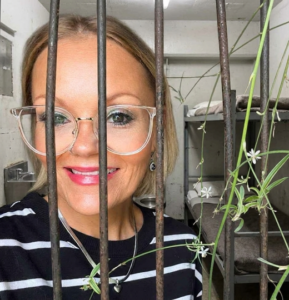
MONETIZED COMMENTARY UNDER FIRE: Brandi Lynnette Faces Public Backlash Over Legal Defense Appeals and Content Ethics
McCURTAIN COUNTY, Okla. — Digital content creator Brandi L. Watson (operating under the online persona Brandi L*******) is facing heightened community scrutiny across southeastern Oklahoma as her public appeals for legal defense funds draw sharp pushback from local residents and former sources.
Watson, who produces social media commentary and investigative-style video streams covering McCurtain County public entities and ongoing legal disputes, recently informed followers that she is facing civil litigation regarding her published claims. In response, she launched a public fundraising campaign asking community members for direct financial contributions to cover her court expenses.
The Financial Disconnect: Public Service vs. Digital Revenue
A central point of contention for local observers is the stark contrast between Watson’s public messaging and her digital operations:
Claims of Non-Commercial Intent: Watson has repeatedly assured viewers across her channels that her commentary, live broadcasts, and interviews are conducted solely as an altruistic public watchdog service without personal financial gain.
Monetized Platforms & Direct Solicitations: Despite these assurances, her digital footprint spans multiple monetized social media accounts. Beyond generating platform ad revenue and engagement payouts, she has actively circulated payment handles—including Pay*** (
Br****Watson104), Cash *** ($Br****Watson01), and Ven (Br****-lynnette-6)—asking followers to directly fund her legal fees.
Allegations of Content Co-Opting and Abandoned Witnesses
The controversy extends beyond fundraising to her editorial methods. Local observers and former sources have raised serious concerns regarding her handling of sensitive personal accounts:
Repackaging Local Material: Critics allege that Watson regularly uses, re-uploads, and builds commentary around third-party reporting, public records, and individual witness accounts without proper attribution or permission, leveraging community-generated material to expand her digital reach.
The Fallout for Local Witnesses: A recent statement published by a local family highlighted how Watson solicited personal testimony regarding law enforcement interactions, only to cut off communication and block the family once legal pressure mounted. While the creator appeals for public donations to cover legal defense fees, the sources who stepped forward continue to navigate financial displacement and personal hardship alone.
Legal Accountability in the Digital Age
The ongoing litigation highlights the substantial civil liability faced by non-traditional media creators operating without institutional editorial oversight. Under Oklahoma civil law, broadcasting unverified assertions or profiting off third-party allegations exposes creators directly to defamation claims.
For many in McCurtain County following the case, the public call for app-based donations has laid bare a growing divide: between genuine community advocacy and a monetized digital brand expecting the public to foot the bill for her online commentary.